
There are several different types of fostering to cover the needs of the many children that require the care and security of a foster home. Below are some of the types of fostering placements we help match at Think Fostering. This list is not exhaustive but outlines the most frequently requested types of foster care.
Start Your Fostering Journey → Find an Agency

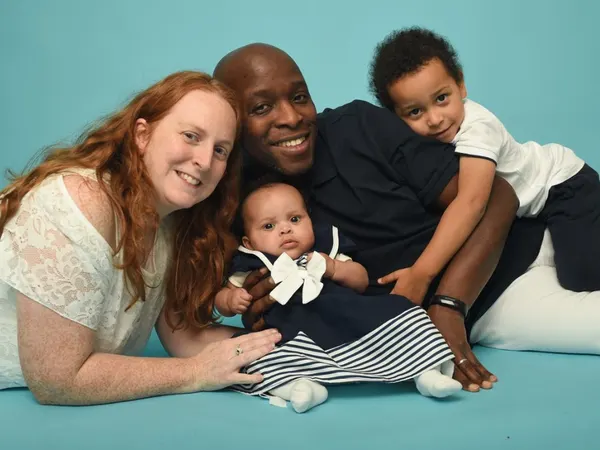
Every child's needs are different, and so are the types of foster care available. Whether you are looking to offer a safe home for a few nights or provide a permanent family for years to come, there is a fostering type that is right for you. Click on any type below to learn more about what it involves.

Parent and child arrangements provide opportunities for parents to live within the fostering family alongside their children. Most commonly this will be a parent who requires support to safely care for their new baby or infant. The foster carer provides guidance, modelling and practical support while assessments take place.
The duration of an arrangement can vary from only a few weeks to several months and is dependent upon the progress made by parents. These placements require patience, strong communication skills and the ability to build trusting relationships with both the parent and child.

Think Fostering places great value on the significance of sibling relationships and enabling children to live with one another. Keeping brothers and sisters together during a period of upheaval provides stability, comfort and continuity that is vital to their emotional wellbeing.
Foster carers who take sibling groups will need homes that can meet both the physical and emotional needs of multiple children at one time. Agencies provide additional support and resources for carers looking after sibling groups, recognising the extra commitment and skill this requires.

Children will live with their fostering family for a varied but time-limited period. Often this is dependent on local authority planning and court decisions. This enables Social Services to offer support and assessment to the child's family in order to make decisions about whether the child should return home or require long-term care outside of their familial network.
Short-term placements can last from a few days to several months. Foster carers providing short-term care play a crucial role in offering children stability and reassurance during what is often a very uncertain time in their lives.

Fostering families may provide care for children who require long-term care outside of their familial network, but for whom adoption is not an appropriate option. Some fostering families may have already had a child within their family for a period of time when this care plan is agreed, and may choose to continue to provide care into adulthood.
Long-term fostering provides children with the permanence and stability they need to build confidence, form secure attachments and reach their full potential. Many long-term foster carers describe the experience as deeply rewarding, watching a child grow and thrive within their family over the years.

Emergency care is a short-term arrangement to provide families for children and young people when unexpected events happen in their home life and it is unsafe for them to remain in that setting. Emergency placements can happen at any time of day or night, and foster carers need to be prepared to welcome a child at very short notice.
These placements typically last from a single night to a few weeks while longer-term plans are put in place. Emergency foster carers provide a calm, safe environment during a child's most vulnerable moments, and play a vital role in the fostering system by ensuring no child is left without a safe home.

As a foster carer of a child or young person with disabilities, you will be offering specialist care to children whose challenges may extend to mobility problems, sensory disabilities, learning difficulties and complex medical conditions. Providing a safe and loving home may feel daunting, but the positive impact you can have is remarkable.
Agencies provide specialist training, equipment and clinical support to help foster carers meet the unique needs of each child. Many carers find this type of fostering incredibly fulfilling, building deep connections with children who have the most to gain from a stable, nurturing home environment.

Short breaks might be a period of a few hours, overnight, or for several days or weeks. These provide support to families and other foster carers at times of crisis, such as hospital admissions, or help when a personal situation means they cannot foster for a brief period of time.
Respite care is an essential part of the fostering system, helping to prevent placement breakdowns and supporting the wellbeing of full-time foster carers. It is also a great way for people who are new to fostering to gain experience and build confidence before committing to longer placements.

Asylum-seeking children often arrive from overseas fleeing political violence, exploitation, or war. Their knowledge of local customs and language may be very limited, and they will move to live with a foster family whilst the local authority arranges a long-term care plan.
Foster carers for unaccompanied children provide not just a safe home but a bridge to a new life, helping young people learn the language, navigate a new culture, access education and begin to heal from their experiences. Agencies provide specialist training in trauma-informed care, cultural awareness and working with interpreters.
Thinking about fostering is a big step, and it is completely natural to have questions about eligibility, support, payments, training and what everyday life as a foster carer involves; the information below covers the most common topics to help you feel informed and confident, and if you would like to know more, please read our full FAQs or contact a member of the team using our contact form.
Yes. During the assessment and approval process, you will discuss your preferences, skills and circumstances with your agency. You can express a preference for certain types of fostering such as short-term, long-term, respite or specialist placements. Your agency will work to match you with placements that suit your experience and home environment.
Many foster carers start with one type of fostering and move to another as their confidence and skills develop. Your agency will support you through any transition.
No specific qualifications are required. All fostering agencies provide comprehensive training tailored to the type of fostering you undertake. For specialist placements such as children with disabilities or unaccompanied asylum-seeking children, additional training in areas like trauma-informed care, medical needs and cultural awareness is provided.
What matters most is your commitment, empathy and willingness to learn. Life experience and personal qualities are valued just as highly as formal qualifications.
Yes. Fostering allowances vary depending on the type of placement, the age of the child and the level of care required. Specialist placements, such as those for children with complex needs or parent and child arrangements, typically attract higher allowances to reflect the additional skills and time involved.
Emergency and respite placements may be paid on a per-night basis, while long-term placements offer a consistent weekly allowance. Your agency will provide full details of their allowance structure during the enquiry process.
Absolutely. Many foster carers are approved for multiple types of fostering and may provide different placement types at different times. For example, you might provide short-term placements as your main role while also offering occasional respite care to other foster families in your area.
Your agency will discuss the different options with you and help you find the combination that works best for your household and lifestyle.
Many first-time foster carers begin with short-term or respite placements, which offer a good introduction to fostering without the commitment of a long-term arrangement. Respite care in particular allows you to gain experience and confidence while supporting other foster families.
That said, there is no single "best" type for beginners. Some first-time carers go straight into long-term fostering if the right match is found. Your agency will guide you through the options and help you choose what feels right for your situation.