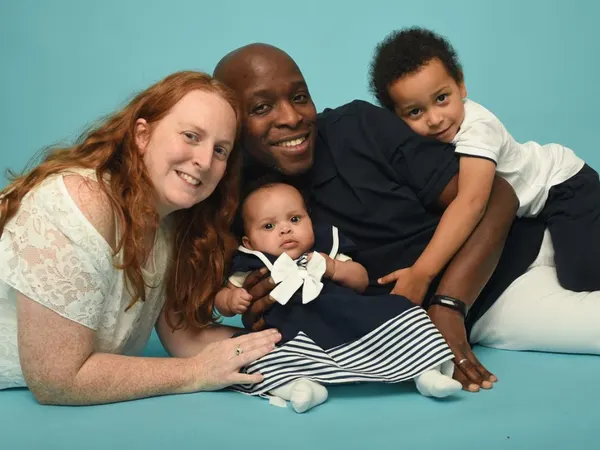
Fostering in England

Your complete guide to foster care

Fostering means opening your home to a child or young person who cannot live with their birth family. It is one of the most rewarding things you can do — providing safety, stability and care to some of the most vulnerable children in our society. Whether you are just starting to think about fostering or you are ready to take the next step, this guide covers everything you need to know.

Enquire Now → Find an Agency
Fostering in England - complete guide to foster care
54,800
Children in foster
care in England
67%
Of looked-after children
placed in foster care
£450–£860
Average weekly
IFA allowance
100%
Free to search
and compare
What is fostering - foster care explained

What Is Fostering?

Fostering is the act of caring for someone else’s child in your own home on a temporary or long-term basis, when the child cannot safely remain with their birth family. Foster carers provide day-to-day care, emotional support and stability while the child’s long-term plan is being worked out by social services.

Children come into foster care for many reasons, including neglect, abuse, family breakdown, parental illness, or because their parents are unable to cope. Fostering is not adoption — in most cases the local authority retains legal responsibility for the child, and the aim is often for children to return to their birth family when it is safe to do so.

There are currently around 54,800 children living in foster care in England, accounting for approximately 67% of all looked-after children. Despite the dedication of existing carers, there is a national shortage, and thousands more foster families are needed every year.

tickProviding a safe, stable home for a child who cannot live with their birth family
tickDifferent from adoption — the local authority retains legal responsibility
tickThousands more foster carers are needed every year across England
Read more about what fostering involves →

Why Become a Foster Carer?

Fostering changes lives — not just the child’s, but yours too. People choose to foster for many reasons: to make a real difference to a vulnerable child, to use their parenting experience, to give something back to their community, or because their own children have grown up and they have the space, time and love to offer.

Foster carers often describe it as the most challenging but most rewarding thing they have ever done. You will be part of a professional team around the child, receive ongoing training and support, and develop skills that many carers find profoundly fulfilling. You will also receive a fostering allowance and fee that together can provide a meaningful income.

Foster care is open to people from all backgrounds, ages, family structures and walks of life. You do not need to be married, own your home, or have children of your own. What matters is that you have the commitment, patience and resilience to support a child through a difficult time.

tickMake a life-changing difference to a vulnerable child
tickReceive training, professional support and a fostering allowance
tickOpen to all backgrounds, ages and family structures
Read more about why people foster →
Why become a foster carer - reasons to foster

Types of Fostering

There are several types of fostering to suit different children’s needs and different carers’ circumstances

📅

Short-Term Fostering

Caring for a child for a few days, weeks or months while their long-term plan is decided. This is the most common type and covers everything from planned placements to emergency situations.

🏠

Long-Term Fostering

Providing a stable home for a child until they reach adulthood, often where adoption is not appropriate or the child’s plan is to remain in foster care. Many long-term placements last for years.

Emergency Fostering

Taking in a child at very short notice, sometimes the same day, when they need immediate safety. Emergency placements can happen at any time and are a vital part of the care system.

👪

Parent & Child Fostering

Supporting a parent (often a young or vulnerable parent) and their baby or young child together in your home, while their parenting ability is assessed or supported.

🤝

Respite Fostering

Providing short breaks for other foster carers or for families under pressure. Respite placements usually last from a weekend to a couple of weeks and give everyone a chance to recharge.

💖

Therapeutic Fostering

Specialist placements for children with complex emotional, behavioural or psychological needs, often involving additional training, clinical support and a trauma-informed approach.

Explore all types of fostering in detail →
Can I foster - eligibility requirements for foster carers

Can I Foster?

The short answer is: probably yes. Foster care is open to a much wider range of people than many assume. You can foster whether you are single or in a couple, whether you own or rent your home, whether you have children of your own or not, and regardless of your gender, sexuality, ethnicity, religion or disability status.

To be eligible you must be at least 21 years old (there is no upper age limit), be a UK resident or have indefinite leave to remain, and have a spare bedroom for the foster child. You do not need formal qualifications or experience working with children, although any relevant experience is valued.

What agencies look for above all else is the right personal qualities: patience, resilience, empathy, a sense of humour and a genuine commitment to making a difference. Every applicant is assessed individually, and the assessment process is there to support you as much as to evaluate you.

tickOpen to single people, couples, renters, homeowners and all backgrounds
tickMust be 21+, UK resident, with a spare bedroom
tickNo formal qualifications required — personal qualities matter most
Find out if you can foster → How to become a foster carer →

The Fostering Process

From first enquiry to your first placement — here’s what the journey looks like

1

Initial Enquiry

Contact a fostering agency or your local authority. You’ll have an informal conversation about fostering and what it involves. This is completely confidential and without obligation.

2

Home Visit & Skills to Foster

A social worker will visit your home for an informal chat. You’ll also attend a preparation course (often called Skills to Foster) where you’ll learn about fostering and meet other applicants.

3

Form F Assessment

A qualified social worker will carry out a detailed assessment (called a Form F) covering your background, lifestyle, health, relationships, motivation and parenting capacity. This typically takes 4–6 months and involves several visits. Learn more about the Form F →

4

Fostering Panel

Your assessment is presented to an independent fostering panel, which makes a recommendation about your approval. The agency decision maker then confirms your approval, including the types and ages of children you are approved to care for.

Matching & First Placement

Once approved, your agency will match you with a child whose needs fit your skills, experience and family circumstances. You’ll receive full support from your supervising social worker throughout the placement.

Read the full fostering process guide →

Fostering Allowances & Pay

All foster carers receive a weekly fostering allowance to cover the cost of looking after a child, including food, clothing, transport, pocket money and day-to-day expenses. On top of this, most agencies pay a fee (sometimes called a skills-based fee or professional fee) that recognises your time, skills and experience.

The UK government sets national minimum allowance rates each year. For 2025–26, the minimum weekly allowance for a child aged 5–10 is approximately £194, rising to £258–£267 for teenagers. However, independent fostering agencies typically pay significantly more, with total weekly payments commonly ranging from £450 to £860 per child.

Most fostering income is effectively tax-free under HMRC’s Qualifying Care Relief scheme, which provides a tax exemption of up to £18,140 per year plus £375–£530 per week per child (depending on age). This means many foster carers pay no tax at all on their fostering income.

tickWeekly allowance plus skills-based fee from most agencies
tickIFA allowances typically £450–£860 per week per child
tickMost fostering income is tax-free under Qualifying Care Relief
Full guide to fostering allowances →
Fostering allowances - how much do foster carers get paid
Form F fostering assessment - what to expect

The Form F Assessment

The Form F is the formal assessment document used across England and Wales to evaluate prospective foster carers. It is carried out by a qualified social worker and covers your personal history, family relationships, health, education, employment, motivation to foster, and your capacity to meet the needs of a looked-after child.

The assessment typically takes 4–6 months and involves a series of home visits, interviews with you and your household members, personal references, health checks and DBS (Disclosure and Barring Service) checks. It is thorough but supportive — the social worker is there to help you through the process, not to catch you out.

Once complete, your Form F is presented to the fostering panel for a recommendation. The process is designed to ensure children are placed with safe, capable and well-prepared carers, and most people who start the assessment go on to be approved.

tickCarried out by a qualified social worker over 4–6 months
tickCovers background, health, relationships and parenting capacity
tickThorough but supportive — designed to prepare you for fostering
Read the full Form F guide →

Transfer Fostering Agency

If you are already an approved foster carer but feel you could benefit from better support, higher allowances, improved training or a better match for your family, you have the right to transfer to a different agency. All foster carers have freedom of movement between fostering services under The Fostering Network’s Transfer Protocol.

The transfer process is straightforward and most agencies can fast-track experienced carers through a new assessment in around 12 weeks. You can transfer with or without a child in placement, and your initial enquiries with new agencies are completely confidential.

tickEvery foster carer has the right to transfer between agencies
tickFast-track assessment in around 12 weeks for experienced carers
tickYou can transfer with or without a child in placement
Full guide to transferring agency →
Transfer fostering agency - switch to a better agency
Fostering vs adoption - understanding the key differences

Fostering vs Adoption

Fostering and adoption both offer children a safe, loving home, but they are very different legal arrangements. The key difference is legal responsibility: when you foster, the local authority retains parental responsibility, while adoption transfers it permanently to you.

Foster carers receive ongoing professional support, training, a dedicated social worker and a weekly allowance throughout every placement. Adoption is a permanent, lifelong commitment where you become the child’s legal parent in every sense. Many people start by fostering and later go on to adopt, but they are separate processes.

Understanding these differences will help you decide which path is right for you and your family. Our detailed guide compares fostering and adoption side by side, covering legal status, timelines, financial support, contact with birth families and more.

tickFostering: LA retains legal responsibility; ongoing support and allowances
tickAdoption: permanent legal family; full parental authority
tickBoth routes change children’s lives for the better
Read the full fostering vs adoption guide →

Find a Fostering Agency Near You

Think Fostering helps you compare Ofsted-registered fostering agencies across England — completely free and without obligation

🔍

Compare Agencies

Search and compare fostering agencies by location, Ofsted rating, support model, training offer and allowances. Build a shortlist of agencies that match your needs.

📝

Free Enquiry

Contact agencies directly through Think Fostering with a free, confidential, no-obligation enquiry. Speak to real people and ask the questions that matter to you.

🎯

Make the Right Choice

The right agency makes all the difference. We help you understand what to look for and how to choose the agency that will support you best throughout your fostering career.

Search Agencies →

Frequently Asked Questions About Fostering

Quick answers to the most common questions. For more detailed information, visit our full FAQs page.

There are approximately 83,840 looked-after children in England, of whom around 54,800 (67%) live in foster care. Despite the commitment of existing foster carers, there is a national shortage, and the Fostering Network estimates that thousands of new fostering households are needed every year to meet demand.

The need for foster carers spans every region of England, from London and the South East to the North West and North East. Children of all ages need placements, but there is a particular shortage of carers for teenagers, sibling groups, children with disabilities and unaccompanied asylum-seeking children.

  • fostering England statsAround 54,800 children live in foster care in England
  • foster care percentageApproximately 67% of looked-after children are in foster placements
  • foster carer shortageThousands of new foster carers are needed every year
  • fostering demandTeenagers, sibling groups and UASC are in highest demand

The key difference is legal responsibility. When you foster, the local authority retains legal parental responsibility for the child. When you adopt, legal responsibility transfers permanently to you and the child becomes a legal member of your family. Fostering can be temporary or long-term, while adoption is permanent.

Foster carers receive ongoing support, training, supervision and a weekly allowance from their agency. Adoptive parents receive an adoption support allowance in some cases, but the level of ongoing professional support is generally less than in fostering. Many people who start by fostering go on to adopt, but the two are distinct legal arrangements.

  • fostering vs adoptionFostering: LA retains legal responsibility. Adoption: it transfers to you
  • fostering temporaryFostering can be short-term or long-term; adoption is permanent
  • fostering supportFoster carers receive ongoing training, support and allowances
  • fostering to adoptionSome carers go on to adopt, but they are separate processes

Foster carers receive a weekly allowance to cover the cost of caring for a child, plus a fee that recognises their skills and experience. The government sets minimum allowance rates each year; for 2025–26 these range from about £158 per week for a baby to £267 for a teenager aged 16–17.

Independent fostering agencies typically pay significantly more, with total weekly payments commonly ranging from £450 to £860 per child. Most fostering income is effectively tax-free under HMRC’s Qualifying Care Relief scheme. The exact amount depends on the agency, the child’s age and needs, and your level of experience.

  • foster carer payWeekly allowance plus skills-based fee from most agencies
  • IFA allowanceIFA payments typically range from £450 to £860 per week per child
  • fostering tax freeMost fostering income is tax-free under Qualifying Care Relief
  • fostering pay variesExact amount depends on agency, child’s age and placement type

Yes. You do not need to own your home to foster. What matters is that your home is secure, stable and has a spare bedroom suitable for a child or young person. Renting is usually acceptable provided the tenancy is stable and you can show the child will have their own space.

Many successful foster carers across England rent their homes. Agencies assess the suitability and stability of your home, not whether you own it. The spare bedroom must have space for a bed and the child’s personal belongings.

  • fostering rentingHome ownership is not required to foster
  • spare bedroom fosteringA spare bedroom for the child is essential
  • fostering eligibilityStability and suitability of the home matter most
  • fostering rentersMany successful foster carers rent their homes

Absolutely. Single people can and do foster successfully across England. There is no requirement to be in a relationship or to have children of your own. Agencies assess each applicant individually based on their personal qualities, home circumstances and capacity to care for a child.

Many children in care actually do better in single-carer households where they receive focused, undivided attention. Single foster carers are particularly valued and needed across the fostering system.

  • single foster carerSingle people can absolutely foster
  • fostering singleNo requirement to be in a relationship or have children
  • fostering eligibility singleMany children thrive in single-carer households
  • fostering assessment singleEach applicant is assessed individually on their own merits

The process from initial enquiry to approval typically takes between 4 and 8 months, depending on the agency and individual circumstances. This includes attending a preparation course, completing a Form F assessment with a social worker, and going to a fostering panel for approval.

If you are an experienced carer transferring from another agency, the process can be fast-tracked to around 12 weeks. Throughout the process, your agency will support you and keep you informed at every stage.

  • fostering timelineFrom enquiry to approval typically takes 4–8 months
  • fostering assessment timeThe Form F assessment takes around 4–6 months
  • fostering transfer fastExperienced carers transferring can be approved in ~12 weeks
  • fostering support processYour agency supports you throughout the entire process

Foster carers receive a comprehensive support package from their agency. This typically includes a dedicated supervising social worker, 24/7 out-of-hours support, regular supervision and review meetings, ongoing training and professional development, peer support groups, and respite care arrangements.

Many independent agencies also provide access to therapeutic services, educational support for the child, and specialist advisors. The level and quality of support varies between agencies, which is why comparing providers through Think Fostering is so valuable.

  • foster carer supportDedicated social worker, 24/7 helpline and regular supervision
  • fostering trainingOngoing training and professional development opportunities
  • fostering respiteRespite care arrangements to give you planned breaks
  • fostering compare supportSupport levels vary — comparing agencies helps you find the best fit

Ready to Start Your Fostering Journey?

Thousands of children across England need safe, loving homes. Whether you’re just exploring or ready to take the next step, Think Fostering is here to help you find the right agency.

Enquire Now → Find an Agency